There are many valid approaches to Model-Based Engineering and not all require SysML. Engineers may want to connect elements in PLM, ALM, requirements and other tools directly. This network of connections (or graph) can be valuable with (Figure 1) or without (Figure 2) a SysML model by providing a roadmap of the system data for traceability and efficient navigation. In version 3.2, released this month, Syndeia expands the ways model elements can be connected. Syndeia can create and maintain direct reference connections between all the tools it supports.
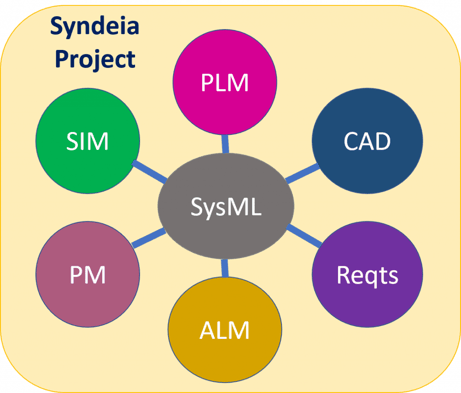
Figure 1 Inter-Model Connections via SysML intermediary
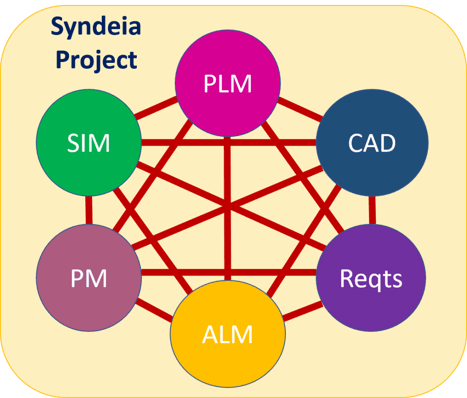
Figure 2 Inter-Model Connections without SysML intermediary
One conceptual change is critical. If no single tool is the central hub of the Total System Model (TSM), where does the identity of the TSM lie? Syndeia Cloud needs to define a project that associates that identity with a specific set of connections stored in its database.
When we launch the Syndeia dashboard, a new window pops up, asking us to choose an existing project stored by Syndeia Cloud or create a new project. All the inter-model connections we create, modify or delete are stored under this project heading in the Syndeia Cloud database and are accessible to all the other team members working on the same project.
In Syndeia 3.2, only reference connections (not model transform connections) can be created between non-SysML model elements. While reference connections do not compare and sync common information across the connection, they have several useful features. From the Syndeia dashboard, we can open a connected model element directly from the Connection Manager or Search tabs. Reference connections can also recognize version changes in a configuration-managed repository.
Next Steps
The current and future capabilities to connect non-SysML model elements directly has a couple of implications.
- Because SysML is no longer required to be part of the graph, Syndeia should be available to users without a SysML modeling tool such as MagicDraw or Rhapsody. Part 3 of this series will describe the new Syndeia Stand-alone App.
- When model transform connections between non-SysML model elements become available (post-3.2 release), the number of possible mappings between elements, attribute and relationships across domain boundaries explodes exponentially. User-defined mappings will be described in Part 4.
Related Posts:
- Introduction to Syndeia 3.2 | Part 1
- Introduction to Syndeia 3.2 | Part 2 (this post)
- Introduction to Syndeia 3.2 | Part 3
- Introduction to Syndeia 3.2 | Part 4 (coming soon)
- Introduction to Syndeia 3.2 | Part 5 (coming soon)