
In this fifth and final installment, we look at two examples from the important domains of CAD and simulation to illustrate the "Internet-of-Tools" concept as applied to our Smart Home Internet-of-Things model. In the first example, a CAD model is linked to structural blocks in the SysML model of the 4 Room Smart Home, so that changes in the design can be transmitted to the SysML model and evaluated using existing SysML parametric analysis. In the second, the SysML model is used to generate a Simulink block structure, with a network of persistent connections that allow differencing and reconciliation as the models evolve.

In this series, we have attempted to show how SysML is an effective vehicle for IoT (Internet-of-Things) modeling and simulation, bringing the diverse perspectives of requirements, structure, behavior and parametrics into a common regime. We have also shown how new approaches to Model-Based Engineering, an “Internet-of-Tools”, allow those SysML models to be linked to databases, PLM, CAD and simulation tools to carry out important parts of the IoT engineering process.
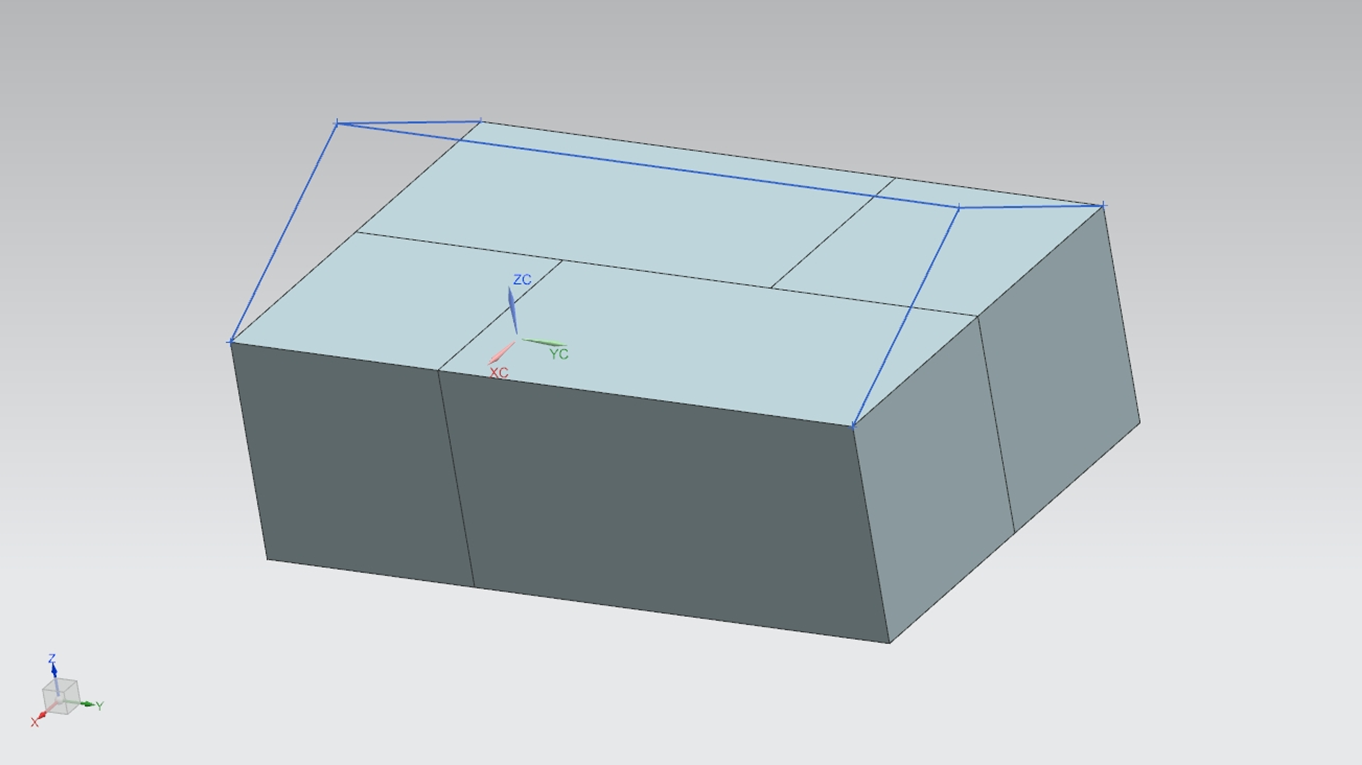
 

CAD model of the SmartHome is connected to the SysML model for parametric analysis CAD model of the SmartHome is connected to the SysML model for parametric analysis
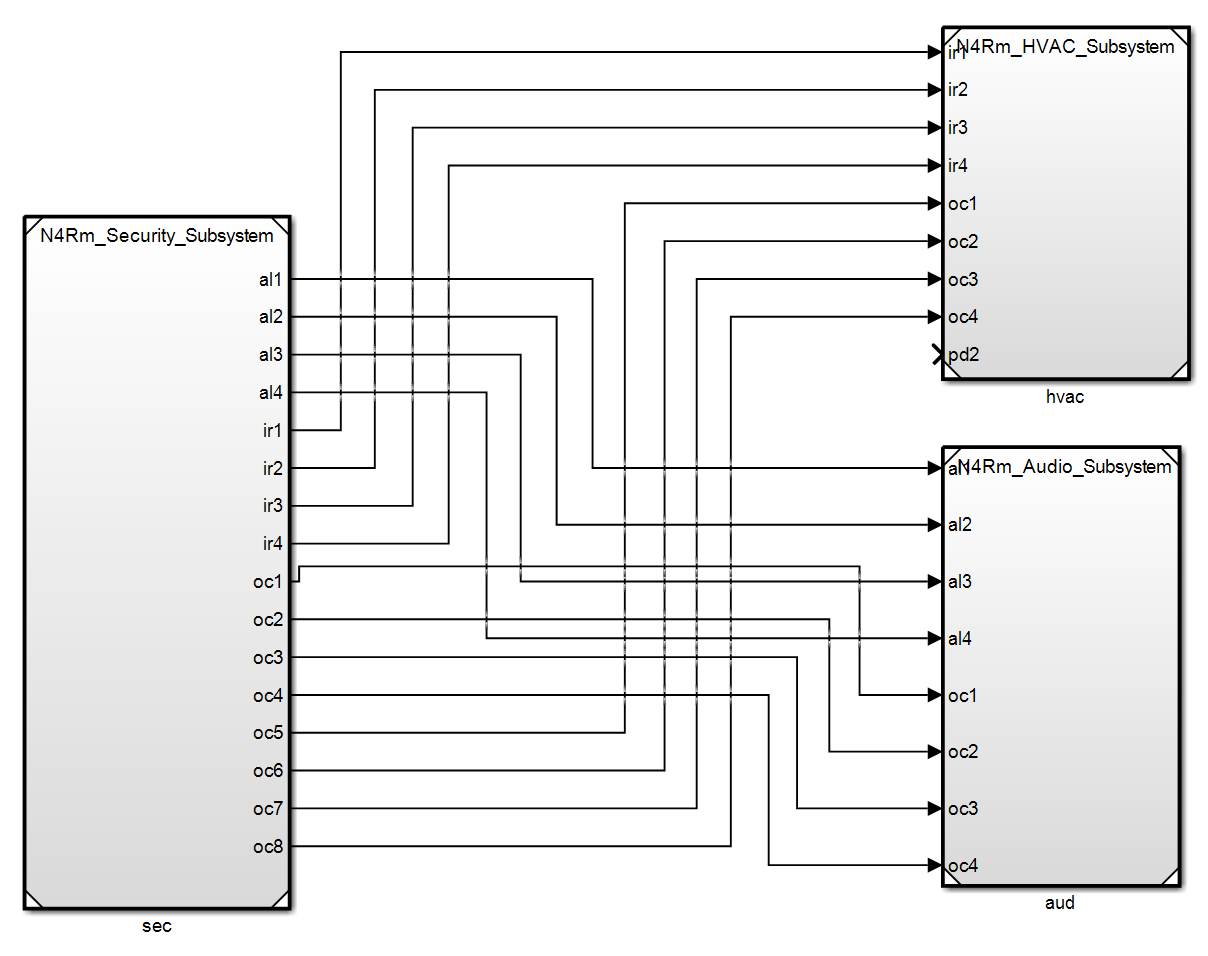


 Top-level Simulink SmartHome model generated from SysML model using Syndeia Top-level Simulink SmartHome model generated from SysML model using Syndeia


Related posts:

Related Posts

What’s New in Syndeia 3.7? - Part 1

We are excited to release Syndeia 3.7, the next generation of our digital thread platform for integrated digital engineering. Check out the latest features in less than 5 minutes ...
Dirk Zwemer

Model-Based Systems Engineering for Autonomous Vehicles, Part 16 – Custom Dashboards

In Parts 1-10 of this blog series, we built a digital thread for an autonomous vehicle system to demonstrate how a federation of models in different software tools can become a ...
Dirk Zwemer

Model-Based Systems Engineering for Autonomous Vehicles, Part 15 – Digital Pipelines

In Part 14 of this series, we developed a custom script to calculate project metrics for our Autonomous Vehicle digital thread project. The value of this information is greatest ...
Dirk Zwemer

Model-Based Systems Engineering for Autonomous Vehicles, Part 14 – Open REST API

Syndeia has been developed as an API-first enterprise application, i.e. the full capabilities of the software are exposed through an open REST API with the understanding that the ...
Dirk Zwemer

Model-Based Systems Engineering for Autonomous Vehicles, Part 13 – Digital Reports

A key function of Digital Threads is to be able to answer questions about project status in real-time without the overhead of data collection, status reports and meetings. In this ...
Dirk Zwemer

Model-Based Systems Engineering for Autonomous Vehicles, Part 12 – Digital Projects

In this post, we continue our updating of MBSE for autonomous vehicles in light of the current and upcoming capabilities of Syndeia, the digital thread platform from Intercax. As ...
Dirk Zwemer

Model-Based Systems Engineering for Autonomous Vehicles, Part 11 – Digital Threads

In 2018, I published a ten-part blog series applying MBSE to an autonomous vehicle. That series continues to garner views on our website, but the state-of-the-art has advanced ...
Dirk Zwemer

Syndeia AI Multiple Agents, Part 4

Hello and welcome to a new demonstration of Syndeia AI that shows multiple AI agents in action – SysML v2, Teamcenter, Windchill, Jira, Jama Connect, Teamwork Cloud, and a Digital ...
Manas Bajaj

Fast-Track Digital Thread Training

Intercax is excited to launch a new self-paced training series designed to accelerate your journey into Digital Engineering: Building Digital Threads with Syndeia™. The new ...
Dirk Zwemer