
The Internet of Things (IoT) holds enormous promise of new capabilities for users and new opportunities for businesses. It also presents enormous challenges to systems engineers. Model-Based Systems Engineering (MBSE) potentially provides an efficient way to address those challenges, being holistic, integrated, flexible and object-oriented. To explore this promise, Intercax has started a series of technical notes on modeling the Smart Home, a well-known example of the IoT, using MBSE, SysML and Syndeia, an integration platform linking systems engineering to the rest of the engineering process.
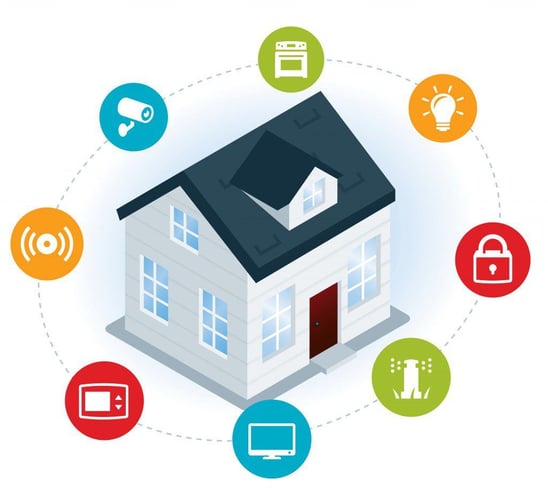
In Part 1 of this technote series, we described an MBSE process going from requirements specification to a detailed multi-level functional design of a Smart Home IoT system.
In this technote (Part 2), we will:
- define a structure for the system, initially with a reference architecture independent of the specific home or IoT product choices.
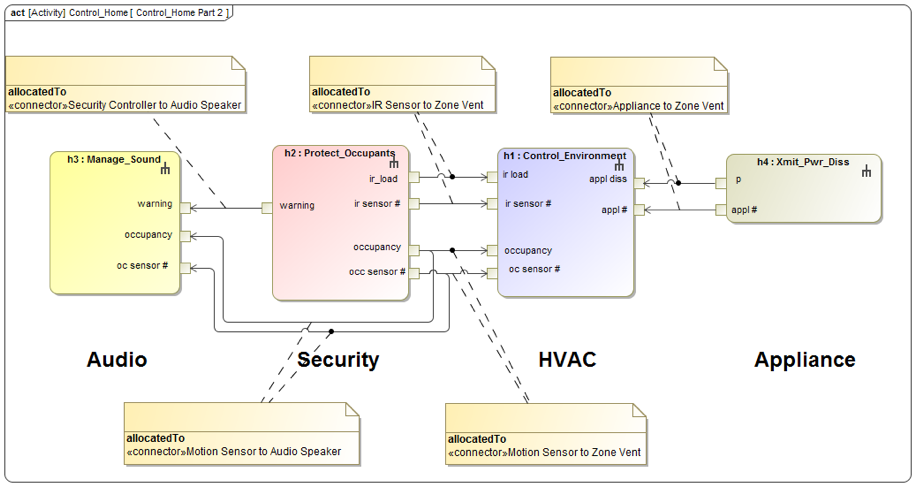
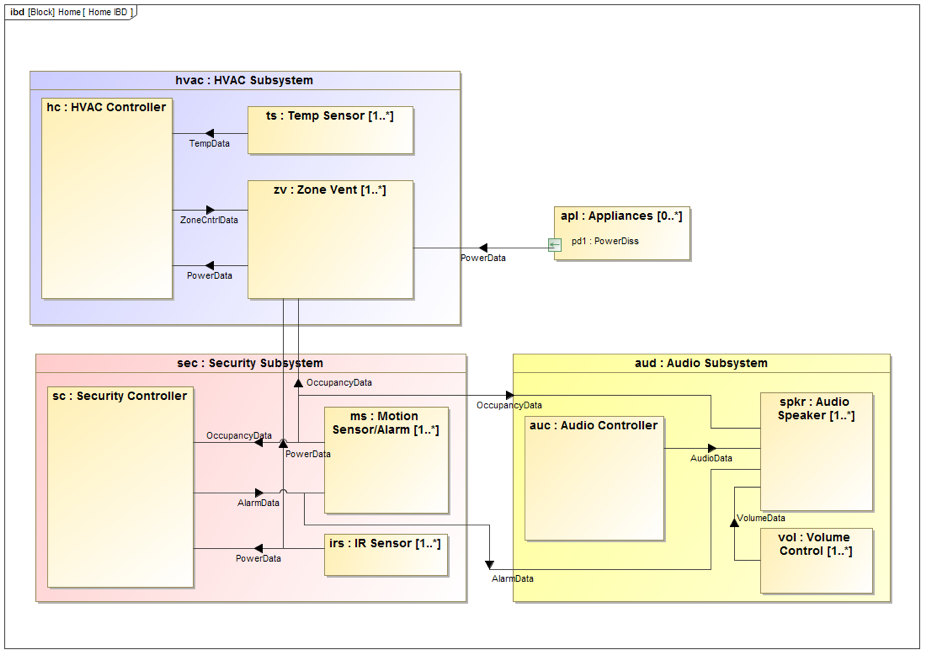
- check that the functions fully map to the structure, both at the component and interface levels.
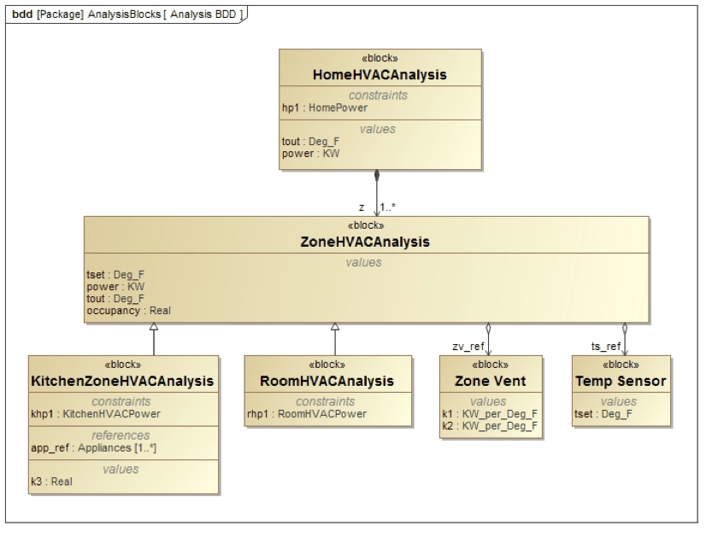
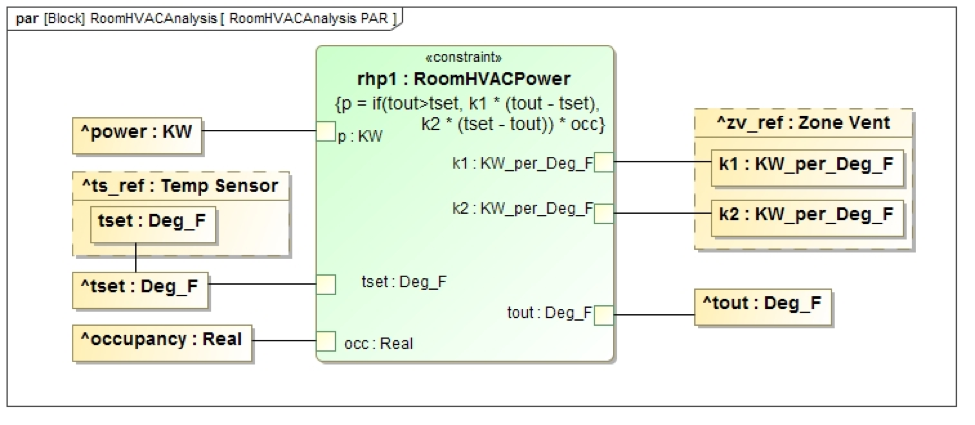
- add executable parametric calculations to the reference model that will apply to multiple configurations (using ParaMagic),
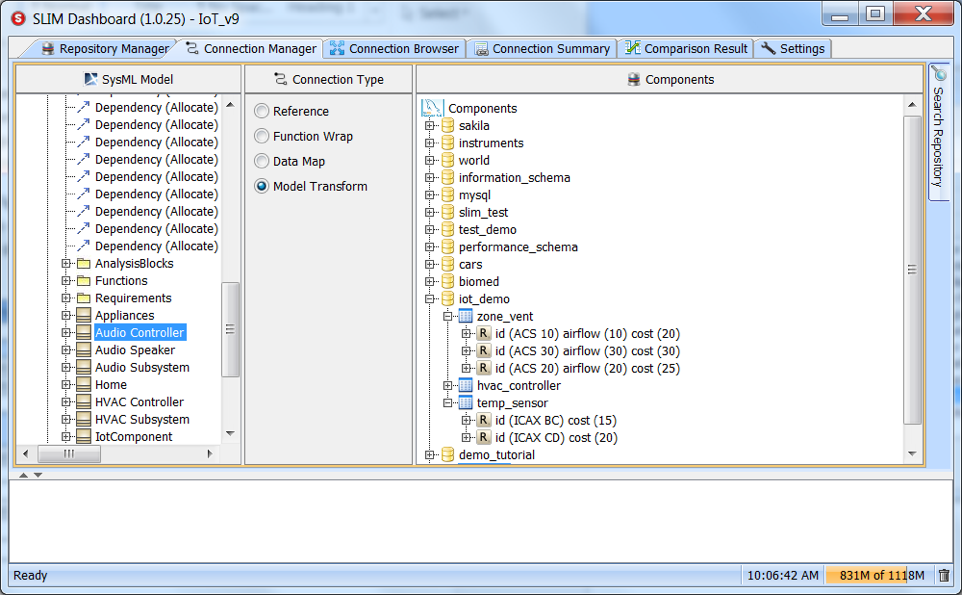
- draw IoT device product data from a MySQL database into the SysML model (using Syndeia)
Reference architecture for a Smart Home IoT system as a SysML block definition diagram (BDD)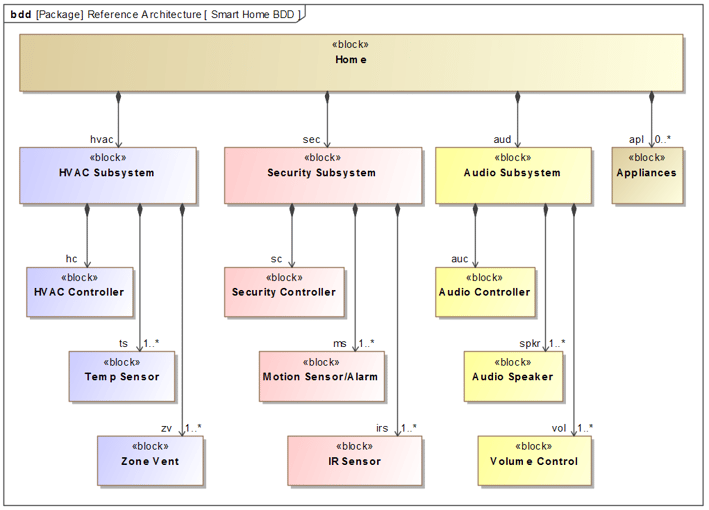
SysML activity model for the top-level Control Home activity with object flow -> item flow allocations
Interconnections and item flows in the Smart Home shown using SysML internal block diagram (IBD)
SysML parametric model for Smart Home HVAC power analysis
SysML parametric model for room HVAC power, as part of Smart Home HVAC Power Analysis
Drawing IoT device data from a MySQL database to the system architecture using Syndeia
Download:
- Smart Home – Modeling IoT with SysML (Part 5: Design, Simulation and System Architecture) technote
- Smart Home – Modeling IoT with SysML (Part 4: Smart Home to Smart Grid) technote
- Smart Home – Modeling IoT with SysML (Part 3: Procurement to Evaluation) technote
- Smart_Home - Modeling IoT with SysML(Part2: Functional-Design-to-Procurement) technote
- Smart Home – Modeling IoT with SysML (Part 1: Requirements to Functional Design) technote
Related posts:
- Smart Home – Modeling IoT with SysML Part 5: Design, Simulation and System Architecture
- Smart Home – Modeling IoT with SysML Part 4: Smart Home to Smart Grid
- Smart Home – Modeling IoT with SysML Part 3: Procurement to Evaluation
- Smart Home – Modeling IoT with SysML Part 2: Functional Design to Procurement (This post)
- Smart Home – Modeling IoT with SysML Part 1: Requirements to Functional Design